What Do Environmental Engineer Do?
Position Description Research, design, plan, or perform engineering duties in the prevention, control, and remediation of environmental hazards using various engineering disciplines. Work may include waste treatment, site remediation, or pollution control technology.
Environmental Engineer Responsibilities
- Develop proposed project objectives and targets and report to management on progress in attaining them.
- Develop, implement, or manage plans or programs related to conservation or management of natural resources.
- Prepare or present public briefings on the status of environmental engineering projects.
- Inform company employees or other interested parties of environmental issues.
- Assess, sort, characterize, or pack known or unknown materials.
- Provide environmental engineering assistance in network analysis, regulatory analysis, or planning or reviewing database development.
Featured schools near , edit
Environmental Engineer Skills
Environmental Engineers state the following job skills are important in their day-to-day work.
Reading Comprehension: Understanding written sentences and paragraphs in work related documents.
Critical Thinking: Using logic and reasoning to identify the strengths and weaknesses of alternative solutions, conclusions or approaches to problems.
Active Listening: Giving full attention to what other people are saying, taking time to understand the points being made, asking questions as appropriate, and not interrupting at inappropriate times.
Active Learning: Understanding the implications of new information for both current and future problem-solving and decision-making.
Complex Problem Solving: Identifying complex problems and reviewing related information to develop and evaluate options and implement solutions.
Writing: Communicating effectively in writing as appropriate for the needs of the audience.
Types of Environmental Engineer Jobs
- Environmentalist
- Environmental Designer
- Project Manager
- Environmental Remediation Specialist
- Remediation Project Engineer
Job Opportunities for Environmental Engineers
In 2016, there was an estimated number of 53,800 jobs in the United States for Environmental Engineer. New jobs are being produced at a rate of 8.4% which is above the national average. The Bureau of Labor Statistics predicts 4,500 new jobs for Environmental Engineer by 2026. The BLS estimates 4,000 yearly job openings in this field.

The states with the most job growth for Environmental Engineer are Colorado, Utah, and Nevada. Watch out if you plan on working in Maine, Alaska, or Mississippi. These states have the worst job growth for this type of profession.
Average Environmental Engineers Salary
The salary for Environmental Engineers ranges between about $53,180 and $137,090 a year.

Environmental Engineers who work in Alaska, Louisiana, or California, make the highest salaries.
How much do Environmental Engineers make in different U.S. states?
| State | Annual Mean Salary |
|---|---|
| Alabama | $82,020 |
| Alaska | $116,680 |
| Arizona | $80,330 |
| Arkansas | $89,540 |
| California | $105,480 |
| Colorado | $98,350 |
| Connecticut | $88,810 |
| Delaware | $84,480 |
| District of Columbia | $100,060 |
| Florida | $80,540 |
| Georgia | $79,700 |
| Hawaii | $91,270 |
| Idaho | $96,870 |
| Illinois | $92,200 |
| Indiana | $82,180 |
| Iowa | $79,210 |
| Kansas | $85,400 |
| Kentucky | $80,900 |
| Louisiana | $108,980 |
| Maine | $75,440 |
| Maryland | $102,650 |
| Massachusetts | $90,070 |
| Michigan | $93,770 |
| Mississippi | $72,400 |
| Missouri | $72,290 |
| Montana | $84,960 |
| Nebraska | $90,320 |
| Nevada | $92,810 |
| New Hampshire | $99,840 |
| New Jersey | $88,360 |
| New Mexico | $95,720 |
| New York | $90,470 |
| North Carolina | $82,110 |
| North Dakota | $76,770 |
| Ohio | $85,970 |
| Oklahoma | $79,590 |
| Oregon | $97,440 |
| Pennsylvania | $89,410 |
| Rhode Island | $91,940 |
| South Carolina | $76,970 |
| South Dakota | $99,760 |
| Tennessee | $93,620 |
| Texas | $102,660 |
| Utah | $76,530 |
| Vermont | $82,430 |
| Virginia | $86,330 |
| Washington | $99,750 |
| West Virginia | $69,800 |
| Wisconsin | $81,860 |
| Wyoming | $93,680 |
What Tools do Environmental Engineers Use?
Below is a list of the types of tools and technologies that Environmental Engineers may use on a daily basis:
- Microsoft Excel
- Microsoft Word
- Microsoft Office
- Microsoft PowerPoint
- Python
- Microsoft Access
- Microsoft Project
- Autodesk AutoCAD
- The MathWorks MATLAB
- SAS
- Computer aided design CAD software
- Bentley Microstation
- ESRI ArcView
- Autodesk AutoCAD Civil 3D
- Formula translation/translator FORTRAN
- Computer aided design and drafting software CADD
- Insightful S-PLUS
- Geomechanical design analysis GDA software
- Maplesoft Maple
- Simulation software
How do I Become an Environmental Engineer?
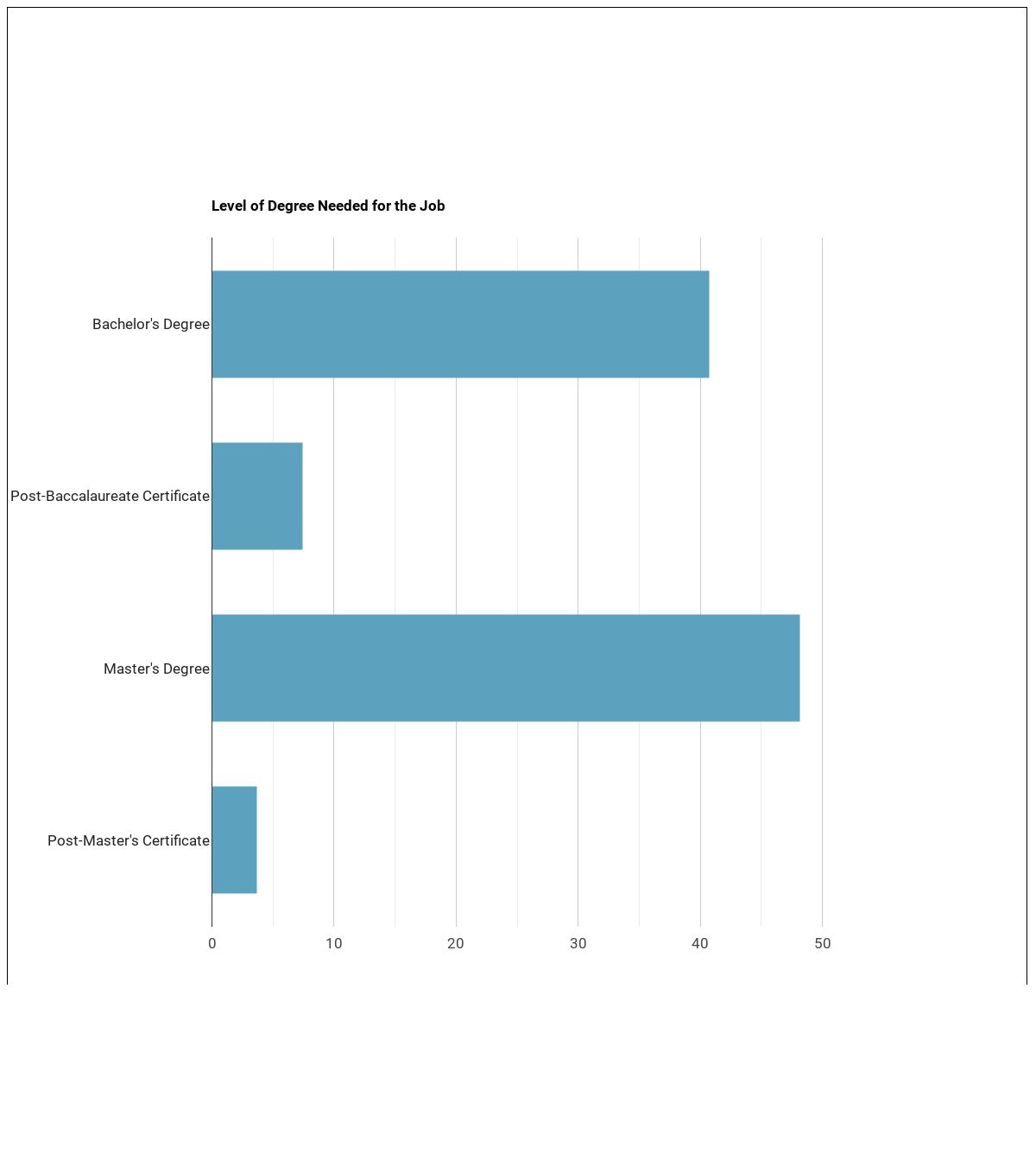
Are there Environmental Engineers education requirements?
How many years of work experience do I need?

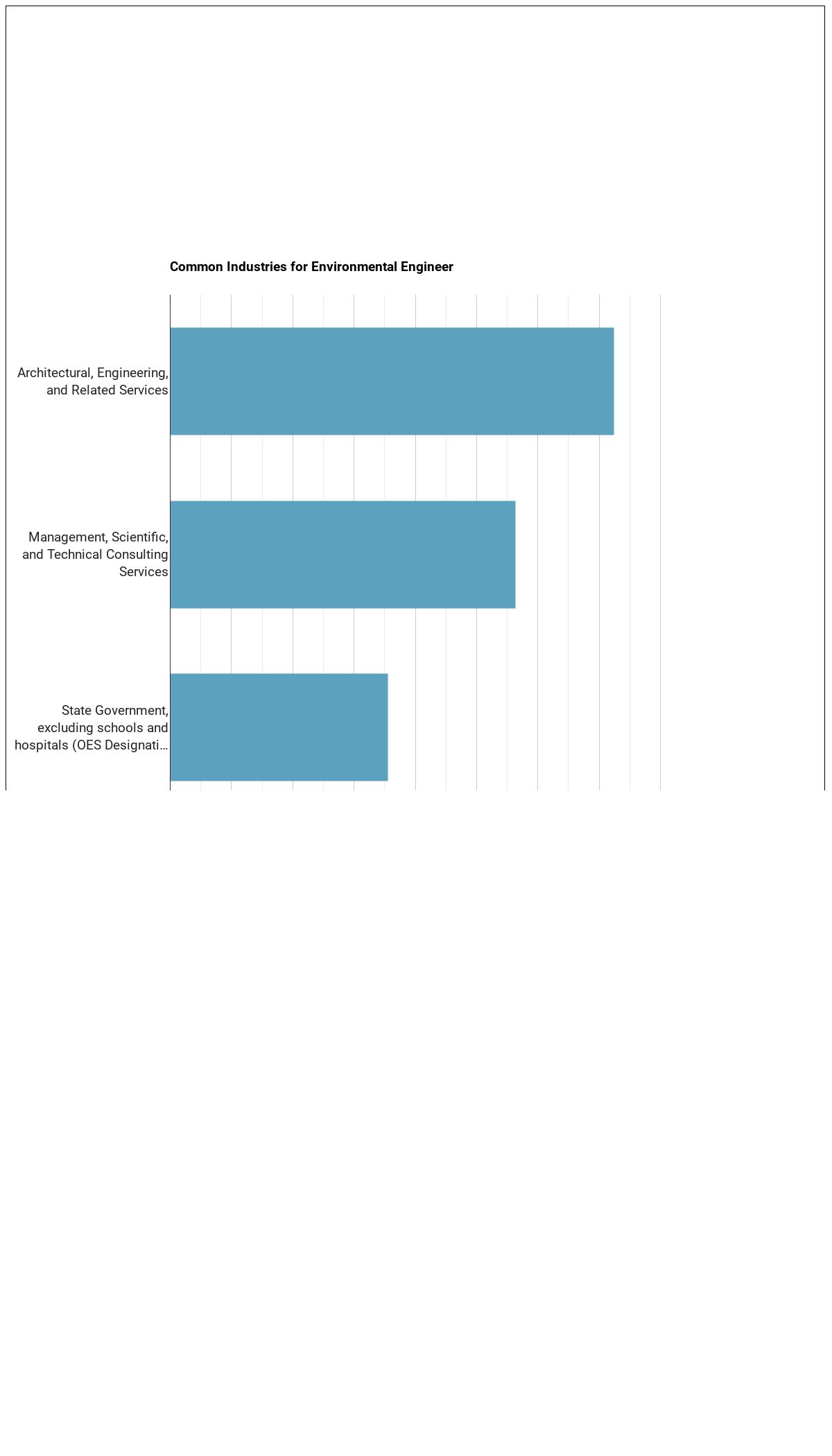
Where do Environmental Engineers Work?

Environmental Engineers work in the following industries:
You May Also Be Interested In…
Those thinking about becoming an Environmental Engineer might also be interested in the following careers:
- Landscape Architects
- Mining and Geological Engineers, Including Mining Safety Engineers
- Geoscientists, Except Hydrologists and Geographers
- Mechanical Engineers
- Marine Architects
- Materials Scientists
- Nuclear Engineers
- Petroleum Engineers
- Marine Engineers
Those who work as an Environmental Engineer sometimes switch careers to one of these choices:
References:
Image Credit: U.S. Air Force photo by Staff Sgt. Alesia Goosic via Public Domain
More about our data sources and methodologies.
Featured Schools

GradDegree.com provides higher-education, college and university, degree, program, career, salary, and other helpful information to students, faculty, institutions, and other internet audiences. Presented information and data are subject to change. Inclusion on this website does not imply or represent a direct relationship with the company, school, or brand. Information, though believed correct at time of publication, may not be correct, and no warranty is provided. Contact the schools to verify any information before relying on it. Financial aid may be available for those who qualify. The displayed options may include sponsored or recommended results, not necessarily based on your preferences.
© GradDegree.com – All Rights Reserved.