All About Energy Engineers
Energy Engineer Example Design, develop, or evaluate energy-related projects or programs to reduce energy costs or improve energy efficiency during the designing, building, or remodeling stages of construction. May specialize in electrical systems; heating, ventilation, and air-conditioning (HVAC) systems; green buildings; lighting; air quality; or energy procurement.
Energy Engineer Responsibilities
- Verify energy bills and meter readings.
- Train personnel or clients on topics such as energy management.
- Direct the implementation of energy management projects.
- Perform energy modeling, measurement, verification, commissioning, or retro-commissioning.
- Conduct energy audits to evaluate energy use and to identify conservation and cost reduction measures.
- Inspect or monitor energy systems, including heating, ventilating, and air conditioning (HVAC) or daylighting systems to determine energy use or potential energy savings.
Featured schools near , edit
Energy Engineer Needed Skills
Energy Engineers state the following job skills are important in their day-to-day work.
Reading Comprehension: Understanding written sentences and paragraphs in work related documents.
Critical Thinking: Using logic and reasoning to identify the strengths and weaknesses of alternative solutions, conclusions or approaches to problems.
Active Listening: Giving full attention to what other people are saying, taking time to understand the points being made, asking questions as appropriate, and not interrupting at inappropriate times.
Writing: Communicating effectively in writing as appropriate for the needs of the audience.
Complex Problem Solving: Identifying complex problems and reviewing related information to develop and evaluate options and implement solutions.
Monitoring: Monitoring/Assessing performance of yourself, other individuals, or organizations to make improvements or take corrective action.
Types of Energy Engineer
- HVAC Engineer (Heating, Ventilation, and Air Conditioning Engineer)
- Distributed Generation Project Manager
- Certified Green Building Engineer
- Green Building Engineer
- HVAC Engineer (Heating, Ventilation and Air Conditioning Engineer)
Energy Engineer Employment Estimates
There were about 132,500 jobs for Energy Engineer in 2016 (in the United States). New jobs are being produced at a rate of 6.4% which is above the national average. The Bureau of Labor Statistics predicts 8,500 new jobs for Energy Engineer by 2026. There will be an estimated 9,500 positions for Energy Engineer per year.

The states with the most job growth for Energy Engineer are Nevada, Utah, and North Dakota. Watch out if you plan on working in Alaska, Minnesota, or Vermont. These states have the worst job growth for this type of profession.
Do Energy Engineers Make A Lot Of Money?
The average yearly salary of an Energy Engineer ranges between $50,750 and $155,650.

Energy Engineers who work in District of Columbia, Maryland, or Virginia, make the highest salaries.
Below is a list of the median annual salaries for Energy Engineers in different U.S. states.
| State | Annual Mean Salary |
|---|---|
| Alabama | $115,710 |
| Alaska | $114,040 |
| Arizona | $94,450 |
| Arkansas | $71,510 |
| California | $107,700 |
| Colorado | $111,610 |
| Connecticut | $100,230 |
| District of Columbia | $132,530 |
| Florida | $82,970 |
| Georgia | $93,580 |
| Hawaii | $96,940 |
| Idaho | $110,270 |
| Illinois | $87,220 |
| Indiana | $73,340 |
| Iowa | $78,230 |
| Kansas | $82,060 |
| Kentucky | $79,690 |
| Louisiana | $90,580 |
| Maine | $85,800 |
| Maryland | $118,420 |
| Massachusetts | $109,220 |
| Michigan | $90,420 |
| Minnesota | $101,620 |
| Mississippi | $79,630 |
| Missouri | $86,850 |
| Montana | $79,590 |
| Nebraska | $82,760 |
| Nevada | $94,950 |
| New Hampshire | $99,070 |
| New Jersey | $114,990 |
| New Mexico | $114,790 |
| New York | $95,270 |
| North Carolina | $83,900 |
| North Dakota | $83,270 |
| Ohio | $93,370 |
| Oklahoma | $83,080 |
| Oregon | $90,720 |
| Pennsylvania | $96,550 |
| Rhode Island | $95,790 |
| South Carolina | $100,750 |
| South Dakota | $84,320 |
| Tennessee | $82,030 |
| Texas | $113,370 |
| Utah | $89,810 |
| Vermont | $81,960 |
| Virginia | $118,390 |
| Washington | $104,890 |
| West Virginia | $91,420 |
| Wisconsin | $86,600 |
| Wyoming | $97,040 |
What Tools & Technology do Energy Engineers Use?
Below is a list of the types of tools and technologies that Energy Engineers may use on a daily basis:
- Microsoft Excel
- Microsoft Word
- Microsoft Office
- Microsoft PowerPoint
- Microsoft Access
- Microsoft Project
- Autodesk AutoCAD
- Microsoft Visio
- The MathWorks MATLAB
- Energy Efficient Rehab Advisor
- Cool Roof Calculator
- DesignBuilder Software DesignBuilder
- EffTec EffTrack
- Architectural Energy Corporation ENFORMA Building Diagnostics
- EnergyPlus
- Facility Energy Decision Systems FEDS
- Federal Renewable Energy Screening Assistant FRESA
- Fielding Data Labs OptoMizer
- InterEnergy Software Building Energy Analyzer PRO
- Itron Enterprise Energy Management EEM Suite
How to Become an Energy Engineer
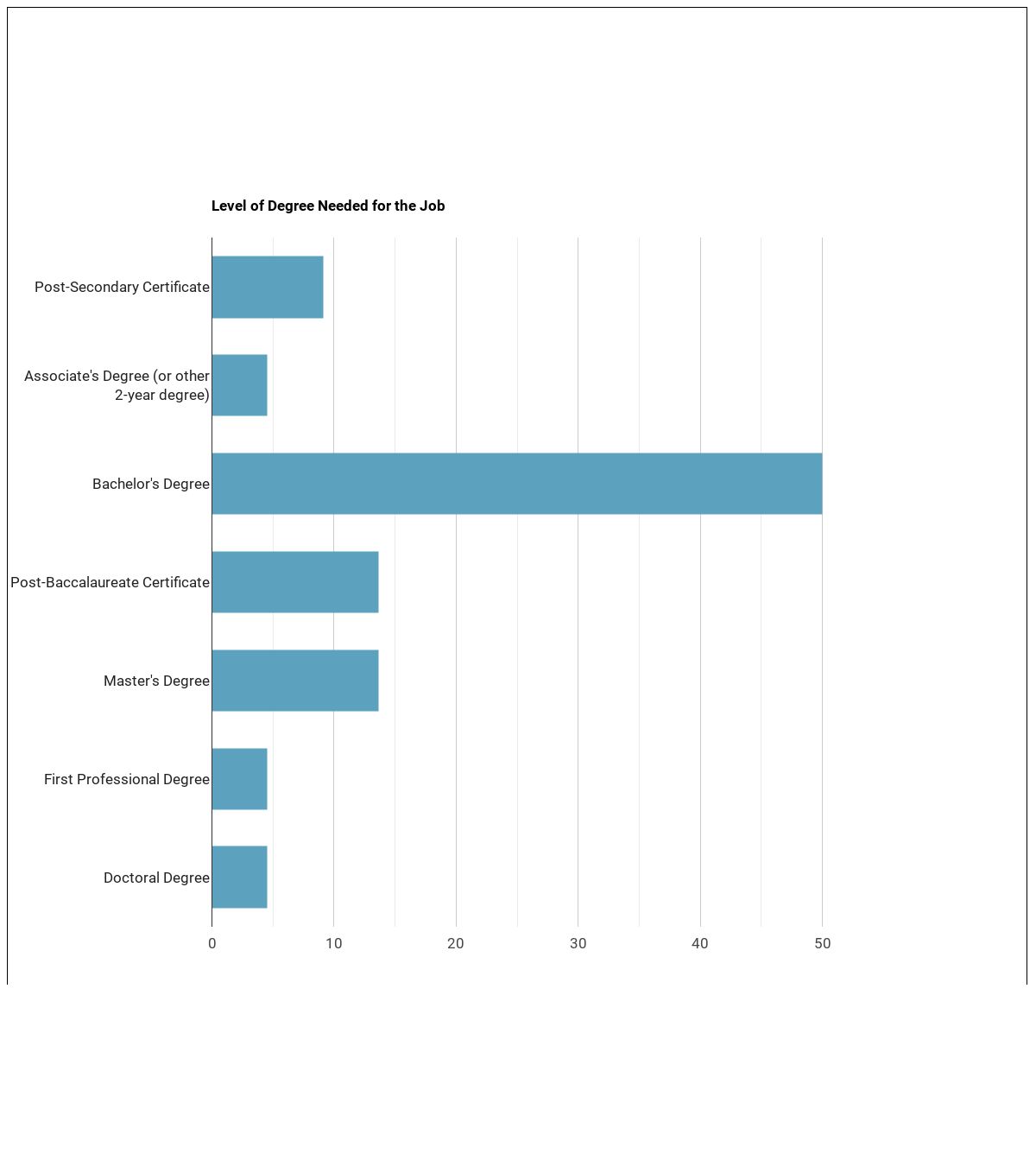
What education or degrees do I need to become an Energy Engineer?
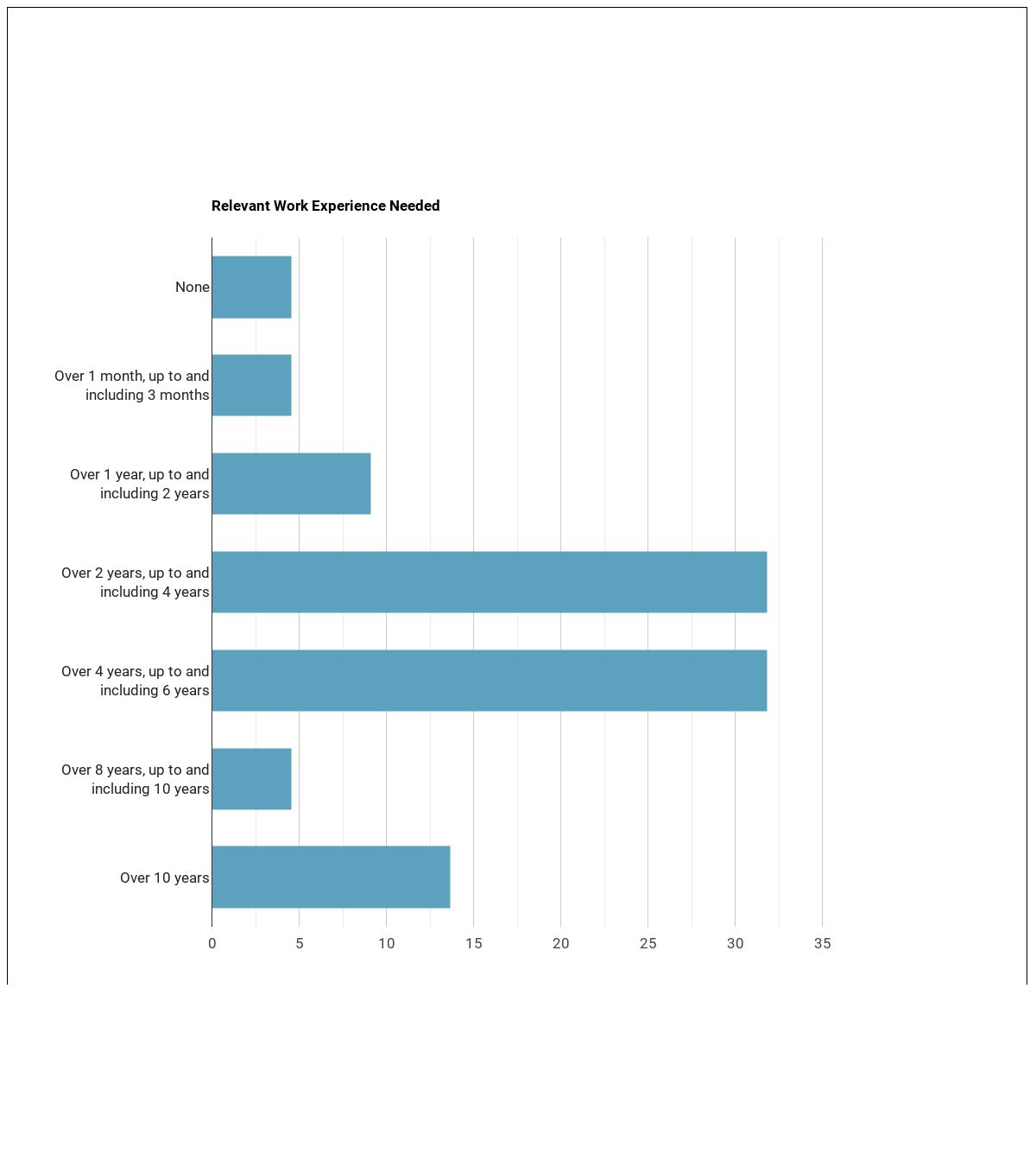
How many years of work experience do I need?
Where Energy Engineers Work
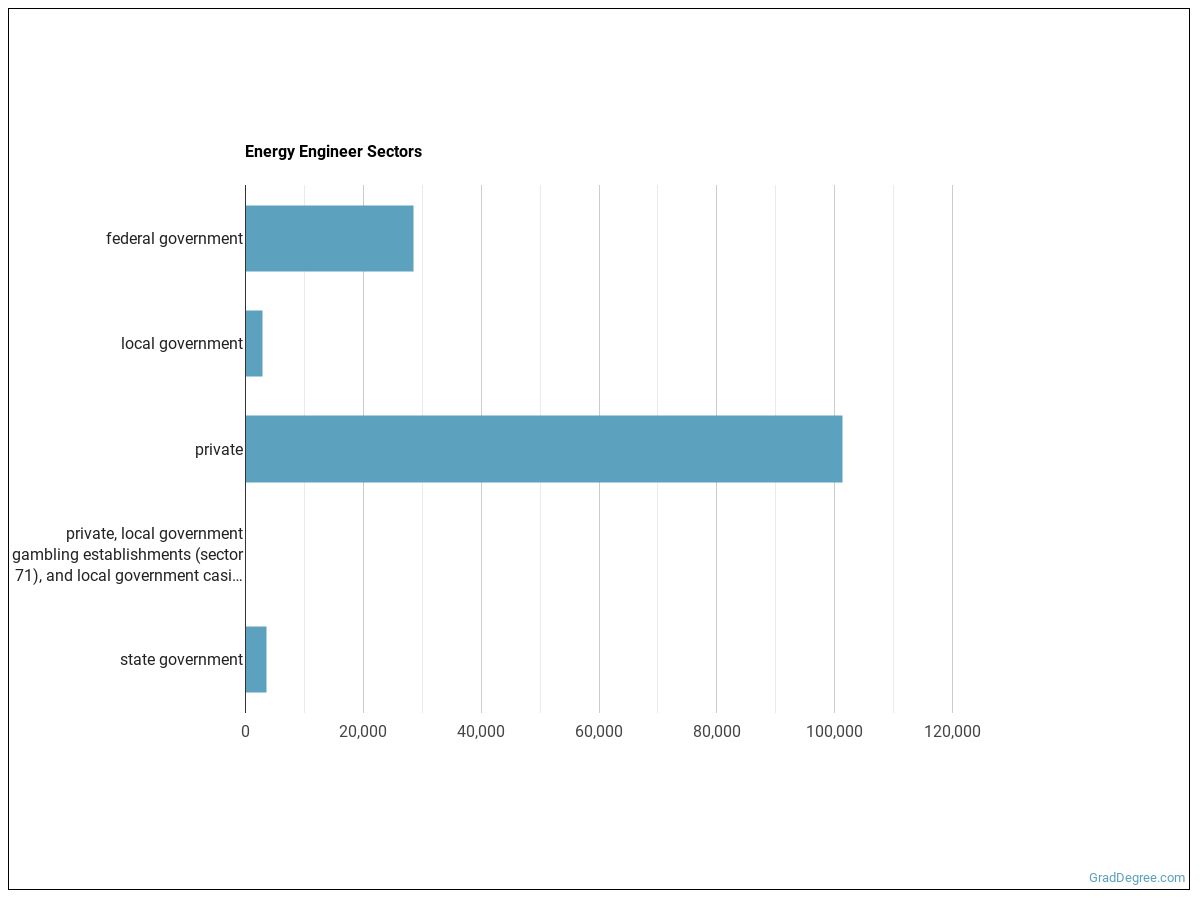
The table below shows some of the most common industries where those employed in this career field work.

Other Jobs You May be Interested In
Those interested in being an Energy Engineer may also be interested in:
Are you already one of the many Energy Engineer in the United States? If you’re thinking about changing careers, these fields are worth exploring:
References:
Image Credit: Rémi Kaupp via Multi-license with GFDL and Creative Commons CC-BY-SA
More about our data sources and methodologies.
Featured Schools

GradDegree.com provides higher-education, college and university, degree, program, career, salary, and other helpful information to students, faculty, institutions, and other internet audiences. Presented information and data are subject to change. Inclusion on this website does not imply or represent a direct relationship with the company, school, or brand. Information, though believed correct at time of publication, may not be correct, and no warranty is provided. Contact the schools to verify any information before relying on it. Financial aid may be available for those who qualify. The displayed options may include sponsored or recommended results, not necessarily based on your preferences.
© GradDegree.com – All Rights Reserved.