What Do Chemical Engineer Do?
Job Description & Duties Design chemical plant equipment and devise processes for manufacturing chemicals and products, such as gasoline, synthetic rubber, plastics, detergents, cement, paper, and pulp, by applying principles and technology of chemistry, physics, and engineering.
Chemical Engineer Responsibilities
- Troubleshoot problems with chemical manufacturing processes.
- Perform laboratory studies of steps in manufacture of new products and test proposed processes in small-scale operation, such as a pilot plant.
- Determine most effective arrangement of operations such as mixing, crushing, heat transfer, distillation, and drying.
- Conduct research to develop new and improved chemical manufacturing processes.
- Direct activities of workers who operate or are engaged in constructing and improving absorption, evaporation, or electromagnetic equipment.
- Design and plan layout of equipment.
Featured schools near , edit
What a Chemical Engineer Should Know
These are the skills Chemical Engineers say are the most useful in their careers:
Science: Using scientific rules and methods to solve problems.
Complex Problem Solving: Identifying complex problems and reviewing related information to develop and evaluate options and implement solutions.
Critical Thinking: Using logic and reasoning to identify the strengths and weaknesses of alternative solutions, conclusions or approaches to problems.
Systems Analysis: Determining how a system should work and how changes in conditions, operations, and the environment will affect outcomes.
Judgment and Decision Making: Considering the relative costs and benefits of potential actions to choose the most appropriate one.
Mathematics: Using mathematics to solve problems.
Other Chemical Engineer Job Titles
- Project Engineer
- Engineer
- Sand Analyst
- Absorption and Adsorption Engineer
- Design Engineer
Chemical Engineer Employment Estimates
In the United States, there were 32,700 jobs for Chemical Engineer in 2016. New jobs are being produced at a rate of 7.3% which is above the national average. The Bureau of Labor Statistics predicts 2,400 new jobs for Chemical Engineer by 2026. There will be an estimated 2,400 positions for Chemical Engineer per year.

The states with the most job growth for Chemical Engineer are North Dakota, Utah, and Florida. Watch out if you plan on working in Kentucky, West Virginia, or District of Columbia. These states have the worst job growth for this type of profession.
Average Chemical Engineers Salary
The average yearly salary of a Chemical Engineer ranges between $64,890 and $169,770.

Chemical Engineers who work in Texas, District of Columbia, or Alaska, make the highest salaries.
Below is a list of the median annual salaries for Chemical Engineers in different U.S. states.
| State | Annual Mean Salary |
|---|---|
| Alabama | $112,780 |
| Alaska | $134,440 |
| Arizona | $99,580 |
| Arkansas | $87,880 |
| California | $103,590 |
| Colorado | $100,670 |
| Connecticut | $89,660 |
| Delaware | $120,280 |
| District of Columbia | $117,470 |
| Florida | $96,120 |
| Georgia | $91,530 |
| Idaho | $114,140 |
| Illinois | $94,830 |
| Indiana | $99,010 |
| Iowa | $107,490 |
| Kansas | $98,090 |
| Kentucky | $101,180 |
| Louisiana | $111,090 |
| Maryland | $113,670 |
| Massachusetts | $109,950 |
| Michigan | $102,780 |
| Minnesota | $98,910 |
| Mississippi | $109,940 |
| Missouri | $105,990 |
| Montana | $87,350 |
| Nebraska | $90,600 |
| New Hampshire | $79,110 |
| New Jersey | $122,210 |
| New Mexico | $110,020 |
| New York | $100,380 |
| North Carolina | $99,810 |
| Ohio | $96,080 |
| Oklahoma | $107,290 |
| Oregon | $98,810 |
| Pennsylvania | $97,390 |
| Rhode Island | $90,180 |
| South Carolina | $87,880 |
| Tennessee | $106,830 |
| Texas | $147,720 |
| Utah | $95,000 |
| Virginia | $111,440 |
| Washington | $103,620 |
| West Virginia | $97,430 |
| Wisconsin | $92,310 |
| Wyoming | $105,490 |
Tools & Technologies Used by Chemical Engineers
Below is a list of the types of tools and technologies that Chemical Engineers may use on a daily basis:
- Microsoft Excel
- Microsoft Word
- Microsoft Office
- Microsoft PowerPoint
- Microsoft Access
- Data entry software
- SAP
- Microsoft Project
- Autodesk AutoCAD
- Spreadsheet software
- Microsoft Visio
- Structured query language SQL
- The MathWorks MATLAB
- Microsoft Visual Basic
- R
- Minitab
- National Instruments LabVIEW
- C
- Supervisory control and data acquisition SCADA software
- Dassault Systemes CATIA
How do I Become a Chemical Engineer?
Are there Chemical Engineers education requirements?

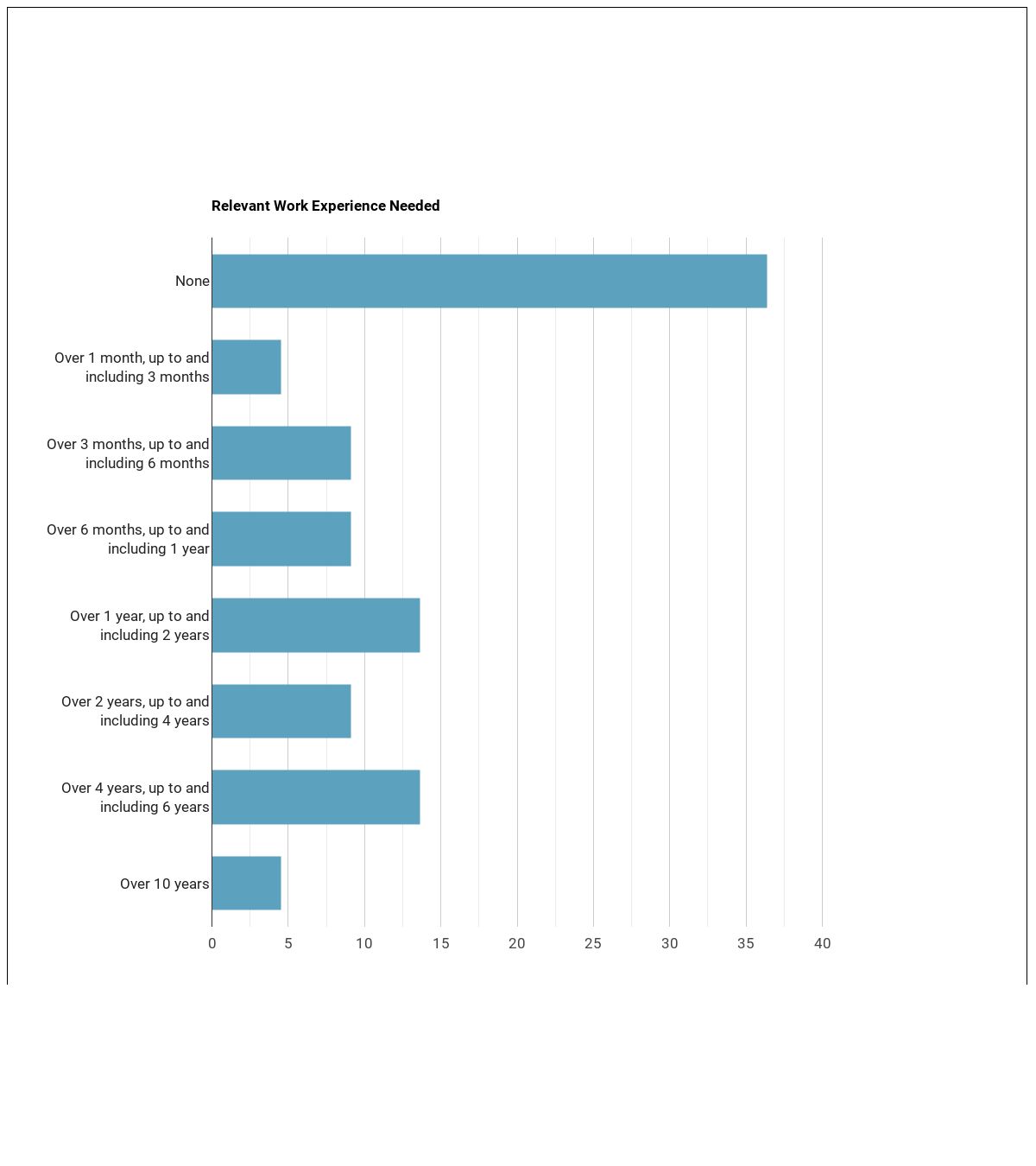
What work experience do I need to become a Chemical Engineer?
Where Chemical Engineers Are Employed

Below are examples of industries where Chemical Engineers work:

Other Jobs You May be Interested In
Those interested in being a Chemical Engineer may also be interested in:
Are you already one of the many Chemical Engineer in the United States? If you’re thinking about changing careers, these fields are worth exploring:
References:
Image Credit: Mikulova via Attribution-Share Alike 3.0 Unported
More about our data sources and methodologies.
Featured Schools

GradDegree.com provides higher-education, college and university, degree, program, career, salary, and other helpful information to students, faculty, institutions, and other internet audiences. Presented information and data are subject to change. Inclusion on this website does not imply or represent a direct relationship with the company, school, or brand. Information, though believed correct at time of publication, may not be correct, and no warranty is provided. Contact the schools to verify any information before relying on it. Financial aid may be available for those who qualify. The displayed options may include sponsored or recommended results, not necessarily based on your preferences.
© GradDegree.com – All Rights Reserved.