What Does it Take to Be a Neuropsychologist or Clinical Neuropsychologist?
Example of Neuropsychologist or Clinical Neuropsychologist Job Apply theories and principles of neuropsychology to diagnose and treat disorders of higher cerebral functioning.
Neuropsychologist or Clinical Neuropsychologist Responsibilities
- Participate in educational programs, in-service training, or workshops to remain current in methods and techniques.
- Diagnose and treat conditions involving injury to the central nervous system, such as cerebrovascular accidents, neoplasms, infectious or inflammatory diseases, degenerative diseases, head traumas, demyelinating diseases, and various forms of dementing illnesses.
- Identify and communicate risks associated with specific neurological surgical procedures, such as epilepsy surgery.
- Educate and supervise practicum students, psychology interns, or hospital staff.
- Consult with other professionals about patients’ neurological conditions.
- Provide education or counseling to individuals and families.
Featured schools near , edit
Neuropsychologist or Clinical Neuropsychologist Needed Skills
These are the skills Neuropsychologists and Clinical Neuropsychologists say are the most useful in their careers:
Active Listening: Giving full attention to what other people are saying, taking time to understand the points being made, asking questions as appropriate, and not interrupting at inappropriate times.
Critical Thinking: Using logic and reasoning to identify the strengths and weaknesses of alternative solutions, conclusions or approaches to problems.
Reading Comprehension: Understanding written sentences and paragraphs in work related documents.
Writing: Communicating effectively in writing as appropriate for the needs of the audience.
Social Perceptiveness: Being aware of others’ reactions and understanding why they react as they do.
Speaking: Talking to others to convey information effectively.
Other Neuropsychologist or Clinical Neuropsychologist Job Titles
- Neuropsychology Medical Consultant
- Neuropsychology Division Chief
- Neuropsychology Service Director
- Neuropsychologist
- Mental Health Director
Job Opportunities for Neuropsychologists and Clinical Neuropsychologists
There were about 17,400 jobs for Neuropsychologist or Clinical Neuropsychologist in 2016 (in the United States). New jobs are being produced at a rate of 10.3% which is above the national average. The Bureau of Labor Statistics predicts 1,800 new jobs for Neuropsychologist or Clinical Neuropsychologist by 2026. The BLS estimates 1,300 yearly job openings in this field.

The states with the most job growth for Neuropsychologist or Clinical Neuropsychologist are Wyoming, Florida, and Idaho. Watch out if you plan on working in Oregon, South Dakota, or Oklahoma. These states have the worst job growth for this type of profession.
What is the Average Salary of a Neuropsychologist or Clinical Neuropsychologist
The salary for Neuropsychologists and Clinical Neuropsychologists ranges between about $41,220 and $127,510 a year.

Neuropsychologists and Clinical Neuropsychologists who work in California, Maryland, or New Hampshire, make the highest salaries.
Below is a list of the median annual salaries for Neuropsychologists and Clinical Neuropsychologists in different U.S. states.
| State | Annual Mean Salary |
|---|---|
| Alabama | $90,050 |
| Arizona | $87,600 |
| Arkansas | $83,030 |
| California | $114,860 |
| Colorado | $83,630 |
| Connecticut | $96,180 |
| District of Columbia | $95,380 |
| Florida | $96,640 |
| Georgia | $95,940 |
| Hawaii | $94,260 |
| Idaho | $87,410 |
| Illinois | $87,410 |
| Indiana | $88,470 |
| Kansas | $102,910 |
| Kentucky | $91,020 |
| Louisiana | $76,510 |
| Maine | $82,790 |
| Maryland | $112,330 |
| Massachusetts | $83,550 |
| Michigan | $88,120 |
| Minnesota | $93,310 |
| Mississippi | $81,610 |
| Missouri | $86,730 |
| Montana | $69,870 |
| Nevada | $74,060 |
| New Hampshire | $98,410 |
| New Mexico | $84,080 |
| New York | $99,640 |
| Ohio | $92,900 |
| Oklahoma | $89,300 |
| Pennsylvania | $87,940 |
| Rhode Island | $73,080 |
| South Carolina | $92,560 |
| South Dakota | $84,200 |
| Tennessee | $87,260 |
| Texas | $90,780 |
| Utah | $86,340 |
| Virginia | $97,200 |
| Washington | $102,760 |
| West Virginia | $82,970 |
| Wisconsin | $80,620 |
What Tools & Technology do Neuropsychologists and Clinical Neuropsychologists Use?
Below is a list of the types of tools and technologies that Neuropsychologists and Clinical Neuropsychologists may use on a daily basis:
- Microsoft Excel
- Microsoft Word
- Microsoft Office
- Microsoft PowerPoint
- Web browser software
- Email software
- Database software
- IBM SPSS Statistics
- Scheduling software
- Statistical software
- Patient electronic medical record EMR software
- Noldus Information Technology The Observer
- BrainTrain Captain’s Log
Becoming a Neuropsychologist or Clinical Neuropsychologist
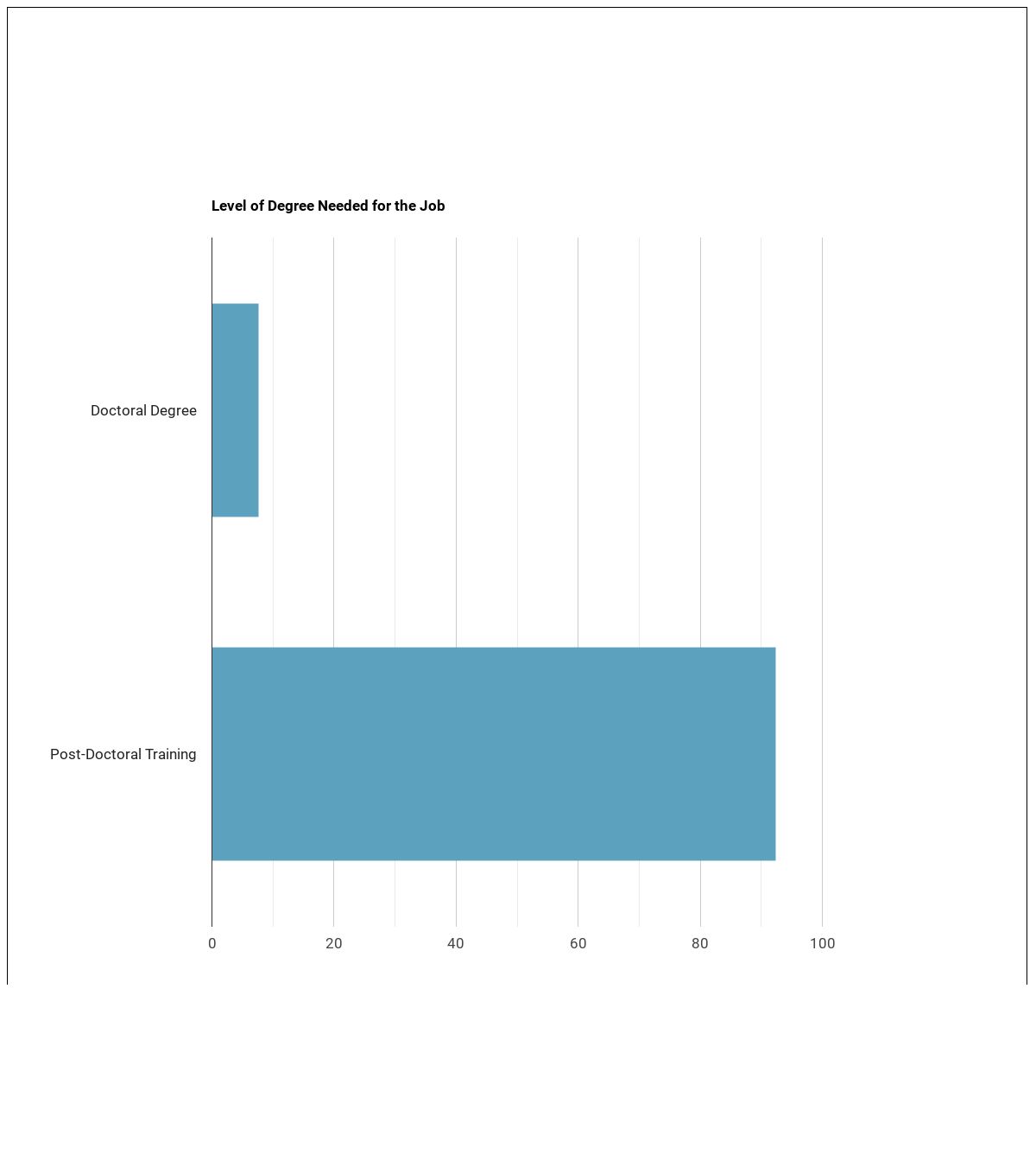
Education needed to be a Neuropsychologist or Clinical Neuropsychologist:
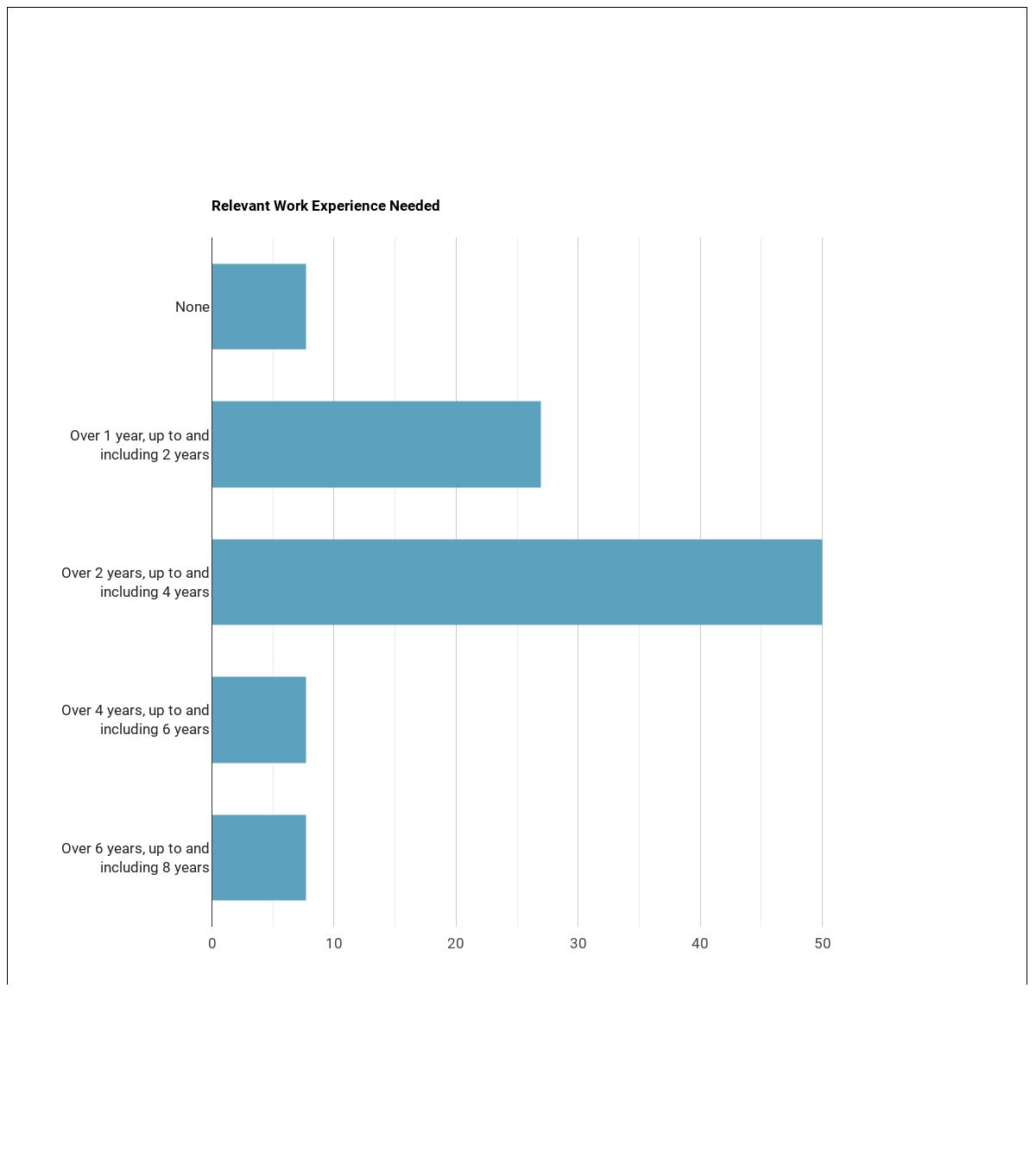
What work experience do I need to become a Neuropsychologist or Clinical Neuropsychologist?
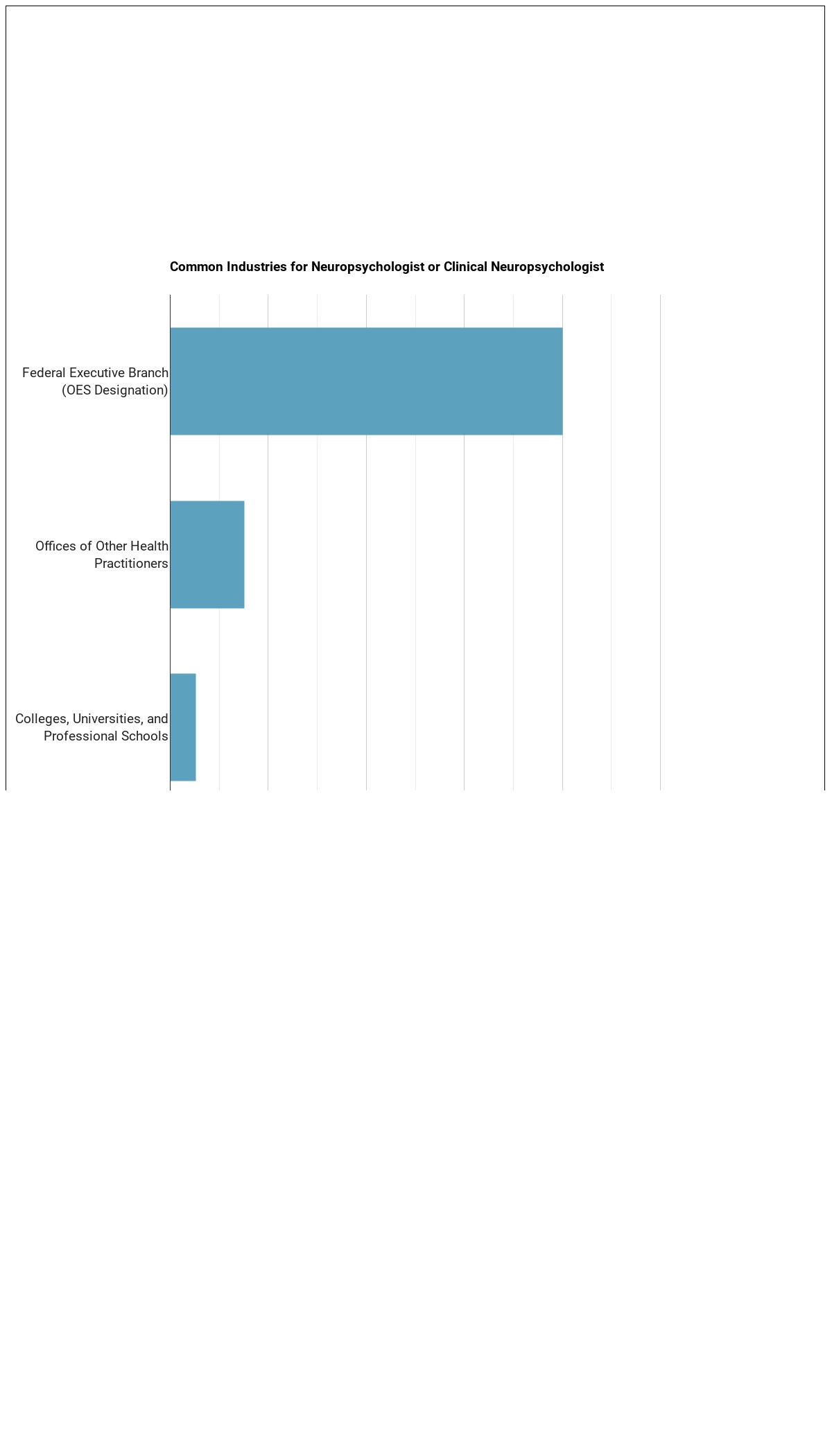
Where Neuropsychologists and Clinical Neuropsychologists Are Employed

The table below shows the approximate number of Neuropsychologists and Clinical Neuropsychologists employed by various industries.
You May Also Be Interested In…
Those thinking about becoming a Neuropsychologist or Clinical Neuropsychologist might also be interested in the following careers:
References:
Image Credit: BruceBlaus via Creative Commons Attribution 3.0 Unported
More about our data sources and methodologies.
Featured Schools

GradDegree.com provides higher-education, college and university, degree, program, career, salary, and other helpful information to students, faculty, institutions, and other internet audiences. Presented information and data are subject to change. Inclusion on this website does not imply or represent a direct relationship with the company, school, or brand. Information, though believed correct at time of publication, may not be correct, and no warranty is provided. Contact the schools to verify any information before relying on it. Financial aid may be available for those who qualify. The displayed options may include sponsored or recommended results, not necessarily based on your preferences.
© GradDegree.com – All Rights Reserved.