What Do Cytogenetic Technologist Do?
Occupation Description Analyze chromosomes found in biological specimens such as amniotic fluids, bone marrow, and blood to aid in the study, diagnosis, or treatment of genetic diseases.
List of Cytogenetic Technologist Job Duties
- Develop and implement training programs for trainees, medical students, resident physicians or post-doctoral fellows.
- Count numbers of chromosomes and identify the structural abnormalities by viewing culture slides through microscopes, light microscopes, or photomicroscopes.
- Select appropriate methods of preparation and storage of media to maintain potential of hydrogen (pH), sterility, or ability to support growth.
- Select or prepare specimens and media for cell cultures using aseptic techniques, knowledge of medium components, or cell nutritional requirements.
- Identify appropriate methods of specimen collection, preservation, or transport.
- Select appropriate culturing system or procedure based on specimen type and reason for referral.
Featured schools near , edit
Qualities of a Cytogenetic Technologist
Cytogenetic Technologists state the following job skills are important in their day-to-day work.
Reading Comprehension: Understanding written sentences and paragraphs in work related documents.
Active Listening: Giving full attention to what other people are saying, taking time to understand the points being made, asking questions as appropriate, and not interrupting at inappropriate times.
Critical Thinking: Using logic and reasoning to identify the strengths and weaknesses of alternative solutions, conclusions or approaches to problems.
Writing: Communicating effectively in writing as appropriate for the needs of the audience.
Speaking: Talking to others to convey information effectively.
Judgment and Decision Making: Considering the relative costs and benefits of potential actions to choose the most appropriate one.
Other Cytogenetic Technologist Job Titles
- Senior Cytogenetics Laboratory Director
- Cytogenetic Technician
- Cytologist
- Lead Cytogenetic Technologist
- Genetic Technologist
Job Opportunities for Cytogenetic Technologists
In 2016, there was an estimated number of 171,400 jobs in the United States for Cytogenetic Technologist. New jobs are being produced at a rate of 11.6% which is above the national average. The Bureau of Labor Statistics predicts 19,800 new jobs for Cytogenetic Technologist by 2026. Due to new job openings and attrition, there will be an average of 12,900 job openings in this field each year.

The states with the most job growth for Cytogenetic Technologist are Utah, Colorado, and Arizona. Watch out if you plan on working in Rhode Island, Connecticut, or Illinois. These states have the worst job growth for this type of profession.
What Tools & Technology do Cytogenetic Technologists Use?
Below is a list of the types of tools and technologies that Cytogenetic Technologists may use on a daily basis:
- Microsoft Excel
- Image analysis software
How do I Become a Cytogenetic Technologist?
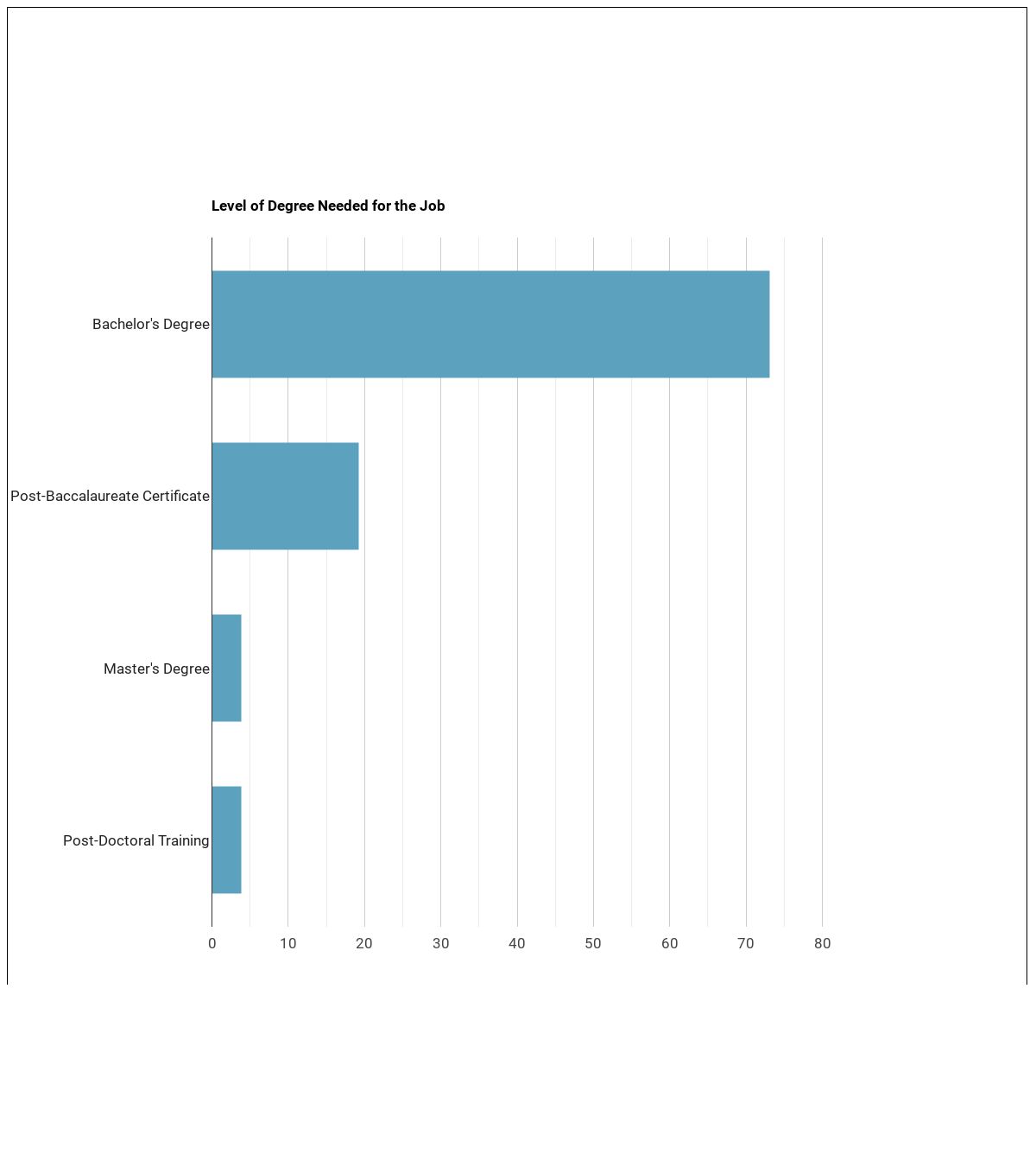
Education needed to be a Cytogenetic Technologist:
What work experience do I need to become a Cytogenetic Technologist?

References:
Image Credit: Staff Sgt. Jerilyn Quintanilla via U.S. Air Force photo
More about our data sources and methodologies.
Featured Schools

GradDegree.com provides higher-education, college and university, degree, program, career, salary, and other helpful information to students, faculty, institutions, and other internet audiences. Presented information and data are subject to change. Inclusion on this website does not imply or represent a direct relationship with the company, school, or brand. Information, though believed correct at time of publication, may not be correct, and no warranty is provided. Contact the schools to verify any information before relying on it. Financial aid may be available for those who qualify. The displayed options may include sponsored or recommended results, not necessarily based on your preferences.
© GradDegree.com – All Rights Reserved.